

Brake Service 101: Let’s Talk Brake Pads, Rotors, and Calipers
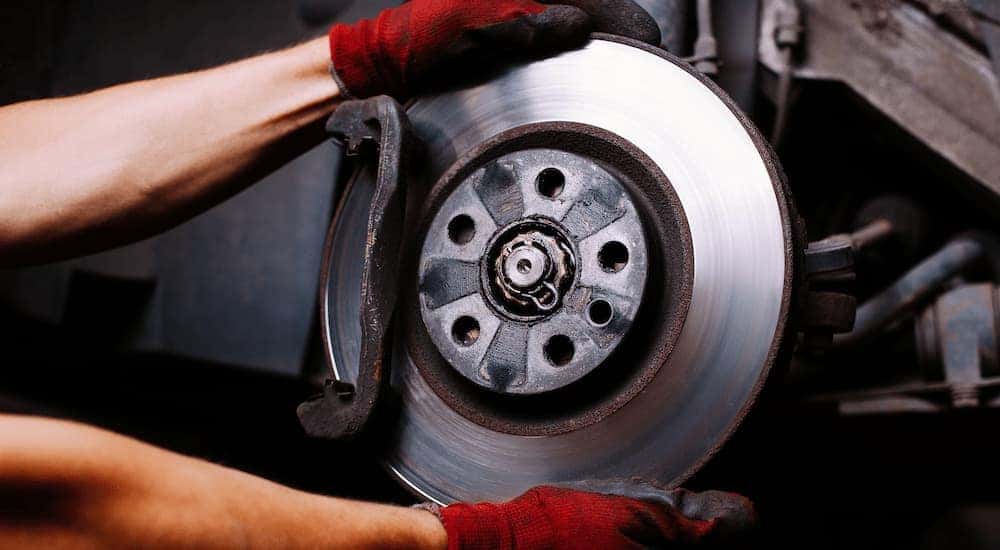
Do you need brake service? The technicians here at Romeoville Toyota are part of a team dedicated to helping you protect your investment and ensuring your safety behind the wheel. We believe that knowledge is power, so our work starts long before you venture to our service department for brake repair. After all, your brakes are critical to your vehicle’s safety, so it’s good to know how they work and when you should replace your brake pads, rotors, and calipers.
How Brakes Work
Fred Flintstone powered and stopped his vehicle with his feet, causing a flurry of dust everywhere he went. Considering it takes thousands of pounds to bring a modern car to a controlled stop, Fred was pretty impressive. But, realistically, it doesn’t take superhuman or cartoon-like strength to stop your vehicle; all it takes is a working brake system.
When you engage the brake pedal, you exert just a few pounds of force on the pedal. This isn’t enough force to adequately stop your vehicle, which is where the brake system’s ability to multiply mechanical energy is crucial. So how does it do this?
The brake pedal is part of a hydraulic system, transmitting the force from your foot to the brakes by using the brake fluid. During this process, the system multiplies the force of your foot and applies it to the brake fluid in the master cylinder. As the pressure increases, the master cylinder sends the pressurized fluid through the brake line to the brake calipers behind the wheels. Once it reaches the calipers, the piston squeezes the brake pads and clamps them against the rotors to slow your wheels.
With the process occurring every time you engage the brake pedal, your brakes experience a lot of wear and tear. This is especially true for drivers who use their brakes to unnecessarily mitigate their speed, known as “riding the brakes.” It’s also true for drivers who spend a lot of time in town, where traffic is often stop-and-go. This excessive wear and the brake system’s vital role in your safety are why it’s crucial to know the warning signs of when it’s time to change the brake pads, rotors, and calipers.
Brake Pads
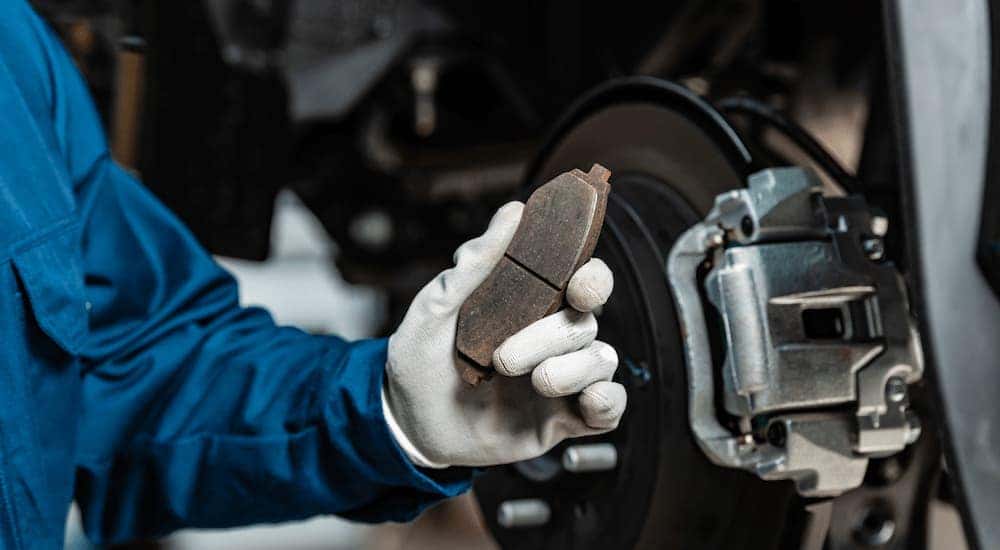
Brake pads are essential to your vehicle’s stopping power because they generate the friction that the car needs to stop by pressing against the discs. Brake pads can be made from various materials (metallic, ceramic, or organic), with each material having unique advantages. However, regardless of the material, brake pads eventually wear thin and lose effectiveness. When this happens, your ability to stop the vehicle quickly is impaired, creating the potential for hazardous situations.
So, how do you know when your brake pads need to be replaced? Some vehicles come with brake pad sensors that take the guesswork out of knowing when it’s time to change the pads by notifying you with a light on the dashboard or a message when you start the engine. While the feature is helpful, knowing the physical warning signs is still essential.
- Squealing and Screeching: Many brake pads have wear indicators, which explains the screeching or squealing noise you’ll hear when you engage the brakes. Akin to dragging fingernails along a chalkboard, this constant screeching is a good indication it’s time for brake service.
- Grinding and Growling: If you’ve missed the squealing or screeching noises, you may start to notice a deep grind or growl when you apply the brakes. This occurs when the brake pads are completely worn, forcing metal against metal. When you hear a deep growl or grind, bring your vehicle in for brake service immediately to avoid further damage.
- Visual Inspection: You can visually inspect your brake pads, though it’s not always the most convenient since you may have to remove the wheels. By looking at the brake caliper, you can see the brake pads. If they measure less than 1/8 inch thick, it’s time to have your brake pads replaced.
Brake Rotors
Each wheel on your vehicle has a brake rotor, a circular metal disc that slows your car down using friction. The rotors work with the brake pads but don’t see as much wear and tear as their counterparts. However, that doesn’t mean they don’t periodically need to be changed. So, how can you tell when you need new rotors?
- Braking Vibrations: Vibrations in the brake pedal and steering wheel are telltale signs that your brake rotors need replacing. The cause of this vibration can be the result of several factors, such as brake pad material that has collected on the surface of the rotor or an overheated brake system.
- Squealing, Screeching, and Grinding Noises: This is where brakes can be tricky since squealing, screeching, and grinding may indicate brake pad issues. Bad rotors can also cause this sound, especially with worn brake pads causing metal to rub against metal.
- Surface Cracks and Grooves: Rotors generate heat, which can cause the surface to crack from expansion or compression. While hairline fractures are not uncommon, deep cracks need immediate repair. Your rotors may also be damaged from metal-on-metal contact or become grooved from corrosion and rust.
Brake Calipers
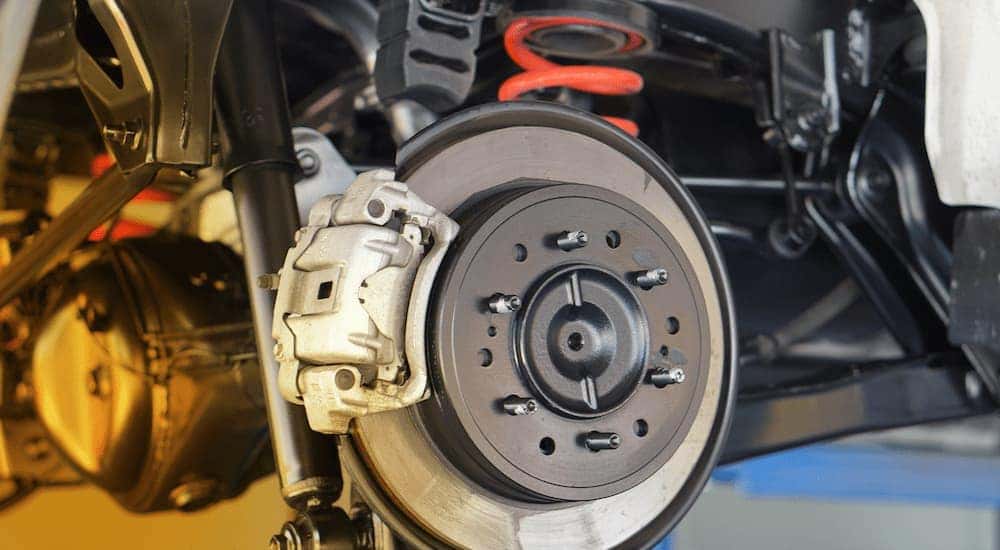
Like the rotors, brake calipers don’t get much thought because, typically, they last the lifetime of the vehicle. Every time your vehicle comes in for routine maintenance like an oil change, our technicians will inspect your brakes, noting any early warning signs (corrosion, leaking, dirt buildup, etc.) of a failing caliper. However, because calipers are necessary to your vehicle’s stopping power, we encourage all our customers to know the symptoms of a bad caliper.
- Spongy Brake Pedal and Reduced Stopping Power: A stuck or seized caliper, leaking brake fluid, or overheated brake pads can create a soft or sponge-like brake pedal. This reduces your stopping power and puts you at a heightened risk for a collision.
- Veering to One Side: A caliper can seize up or get stuck, preventing the brake pads from grabbing or releasing the rotor. When a caliper seizes up, you’ll notice your vehicle will pull in the direction of the caliper that won’t release when you apply the brakes.
- Visual Leaks: Calipers shouldn’t leak, which makes finding a fluid leak a point of serious concern. If you notice a fluid leak inside the wheel, this could indicate a leaking caliper. Because this suggests a brake failure, it’s safest to have your vehicle towed to our service center.
Brake Health Made Easy
“How long will my brake pads last?” and “When do I need my brakes inspected?” are some of the most common questions our technicians are asked each day. However, there’s no set answer; instead, there are guidelines on when to have your brake pads, rotors, and calipers inspected and changed. So, why is this the case?
The lifespan of your entire braking system largely depends on your driving style and where you spend most of your time. For example, someone who spends most of their time on the highway will put less wear and tear on their brakes than a driver who navigates congested traffic in the city daily. This is because the constant stop and go of in-town driving takes a toll on your brakes, leading to faster wear on components like the brake pads and rotors.
While there’s no one-size-fits-all answer, we encourage our customers to take a proactive approach in protecting their investment and ensuring their safety on the road. You’re already off to a great start by learning more about your brake system and how it works. From here, be mindful of your driving habits and the warning signs listed above.

0 comment(s) so far on Brake Service 101: Let’s Talk Brake Pads, Rotors, and Calipers