

Winter Tires vs All-Season Tires: What’s the Difference?
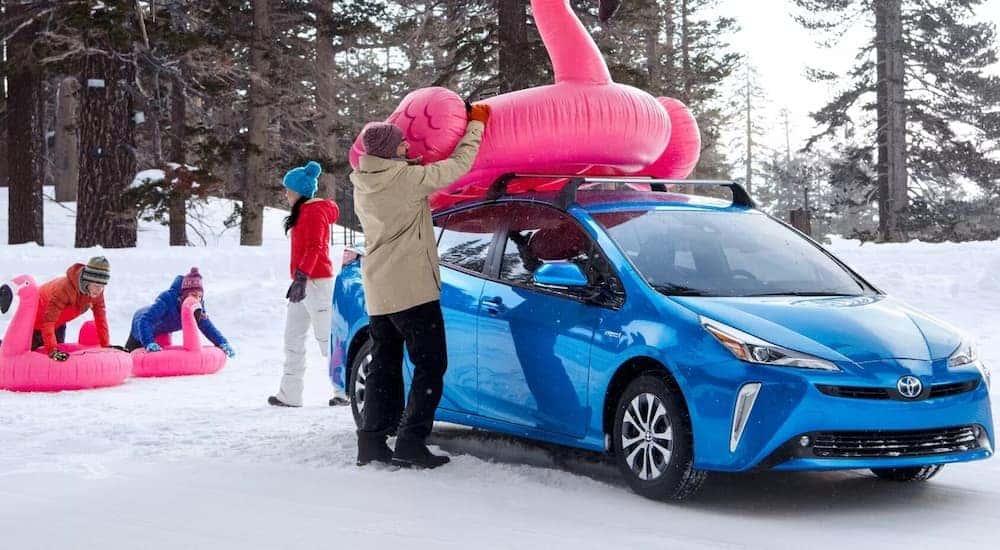
If you’re exploring different vehicle options, dealers might boast about the tires that the cars come with. Perhaps you’ve never given much thought to the types of tires that are on a vehicle, especially if you’ve always lived somewhere with moderate weather. In fact, most people don’t know much about the tires spinning beneath their vehicle until they have to. If you’re moving from an area with a mild climate to a place that experiences extreme weather changes like IL, then you do need to pay attention to the types of tires that you have. More specifically, you should be looking into winter tires for sale if you live in our area because we see a good amount of snow and ice in the winter.
When it comes to tires, there are so many names thrown around. There are snow tires, winter tires, all-season, all-weather…it can be dizzying. By their names alone, it’s hard to really tell what benefits one type offers over another. In fact, one might think that all-season must be the best because it sounds like these are good for just about any condition. Surprisingly, that isn’t true (we’ll get to that). Finding the right tires can not only make it easier to handle your vehicle, but it can also keep you safe under different conditions. In fact, having the right tires can help prevent accidents. So, when it comes to which tires to get, winter tires or all-season tires, there are some things you need to consider.
What Are All Season Tires?
All-season tires have a slightly misleading name because it sounds as if they will do well in any condition and in any weather. However, keep in mind that not all winters, falls, springs, or summers are created equally. Some places have extreme winters with blizzards and six feet of snowfall, while others have mild winters with just a day or two of light powder or no snow at all. Some places have dry, hot summers, while others have torrential rain poor at the height of summer.
All-season tires are designed to do well in the more moderate version of every season. Specifically, all-season tires are made to be used in temperatures over 44 degrees Fahrenheit. They can handle light snowfall and some rain. They are not, however, meant for places that see deep snow, icy roads, or freezing cold temperatures. Some might compare them to running shoes: they’re great for most weather and running errands, but you need to change into your boots when the snow falls or it’s time to go for a hike. Likewise, you’ll need to switch from all-season tires to winter tires when the cold weather hits and road conditions start to become a little more unpredictable. All-season tires lack the necessary grip for serious snow or ice. They should really be called moderate all-season tires.
What Are Winter Tires?
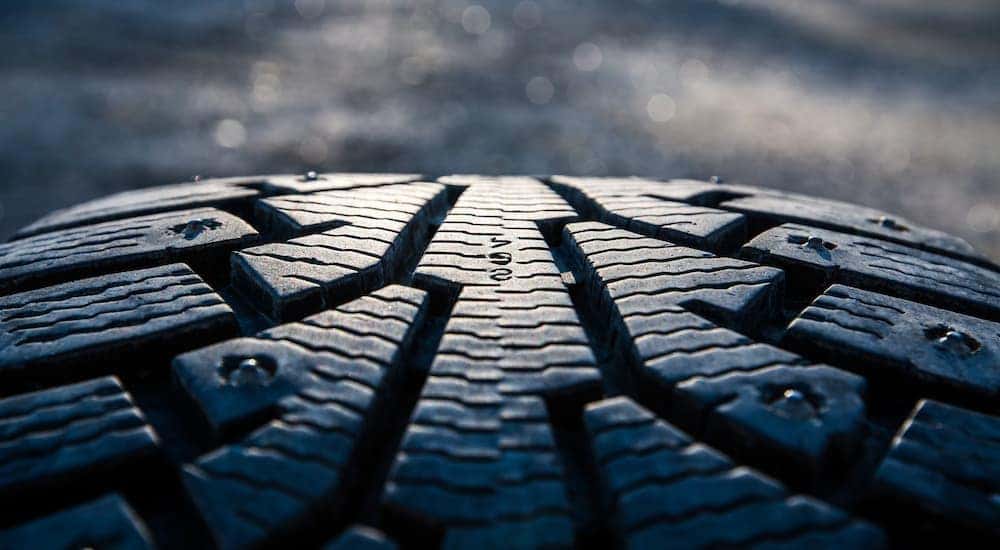
Winter tires are designed to give you excellent traction in extreme weather, including over deep snow and even black ice. They’re also made to remain flexible in freezing cold temperatures. Here are some more specifics about what differentiates a winter tire from an all-season one.
- Tread Rubber – Winter tires are made with tread rubber that can withstand freezing cold temperatures. That means it remains flexible in the cold. All-season tires get stiff in cold weather and don’t handle as well as winter tires do. Remember, even if you don’t get snow one season or little of it, so long as the temperatures drop low, that affects your tires.
- Deep Treads – The treads on winter tires are deeper to allow for a better grip and improved traction.
- Unique Tread Patterns – If you look at winter tires, you’ll notice interesting tread patterns. These are not decorative. They’re specifically designed to channel water and snow away from the tires, preventing snow buildup in the tires. They’ll also have tiny slashes known as “biting edges” which let the tires break through ice. These are very important because they prevent the tire from skidding across intact ice.
Winter vs Snow Tires
You may hear the term “snow tires” used interchangeably with “winter tires,” and that’s because they mean the same thing. The official name for tires made to handle the winter is “winter tires,” but the term “snow tires” has simply become part of the vernacular when discussing tires. When looking for winter tires, you will come across a little mountain/snowflake symbol on the sides of the tires to show that they can handle those types of terrains, hence where the name “snow tires” likely comes from.
The U.S. Tire Manufacturers Association, along with the Rubber Association of Canada, came up with this logo to establish a standard of traction one can expect from certain tires in the snow. It specifically means that the tires have met the minimum requirements for traveling through snow and are formulated to handle freezing temperatures and slippery roads. That’s why the tires are officially called winter tires; they are meant to handle any winter conditions, not just snow. However, if you visit our tire shop and ask for snow tires, we will know what you are talking about.
Should You Get Winter Tires?
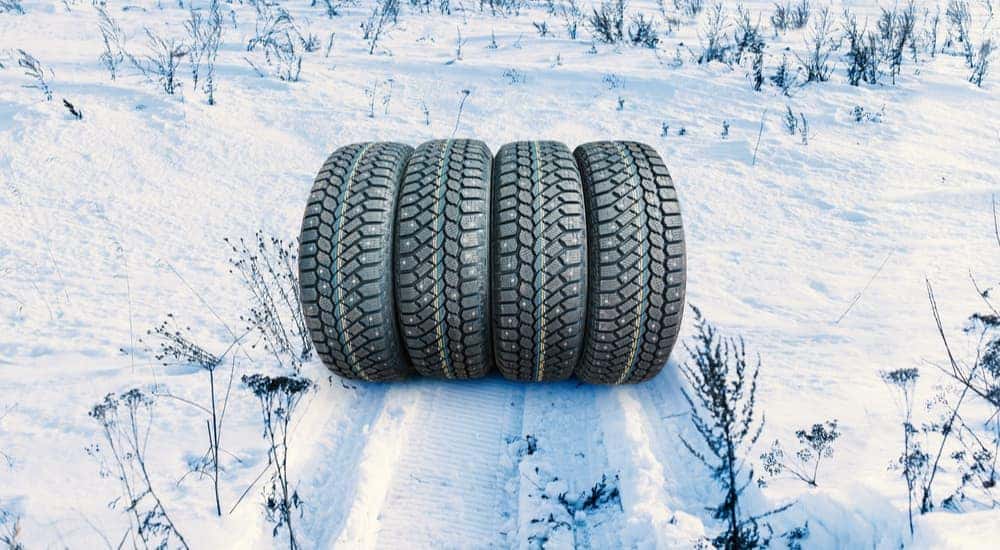
Here in Illinois, our winters can get pretty snowy, so we would recommend you get snow tires put on. They don’t just make winter driving easier; they are critical safety items than can prevent devastating accidents. Winter tires have better grip and give you far more control in dicey situations than all-seasons, so making the switch is critical for being able to maintain control of your vehicle in the ice and snow. Unfortunately, some experts assert that only around 20 percent of North American drivers use the proper tires in the winter. You can’t control whether or not other drivers switch to winter tires when they need to, but you can improve your chances of navigating a hazardous situation when you have the right tires.
We make it easy to buy and switch to winter tires. Just bring your vehicle by our service center when the weather starts to dip below 40-degrees Fahrenheit consistently and ask us to fix you up with a set of winter tires. Our technicians will swap out your current ones for the winter set. Then, bring your all-season or summer tires back in at the end of the winter season, and we will swap them out for you again. If you already have a good set of winter tires ready to go, but don’t have the time or don’t want to swap your tires yourself, bring them by, and we can handle it for you.
Tire Labels Matter
When it comes to tires, the language can be confusing. Between all-weather, all-season, winter, snow, and beyond, it’s hard to know which one is right for your vehicle and your life. However, selecting the appropriate tires for your environment can drastically reduce your chances of getting in an accident, as well as make navigating the roads a much easier experience.
Many people mistakenly believe that if they have all-season tires, they’re ready to go in all conditions, but all-season tires are really only good for the mildest version of all seasons. So if your town turns into a true winter wonderland come the cold months like Romeoville does, all-season tires won’t do the job. They don’t have deep enough tread or the right rubber compound to handle deep snow and ice, and they’ll stiffen up when temperatures drop. If you need insulated clothing and snow plows in the winter, then you need winter tires, too.

0 comment(s) so far on Winter Tires vs All-Season Tires: What’s the Difference?