

What Kind of Service Does Your Car Need?
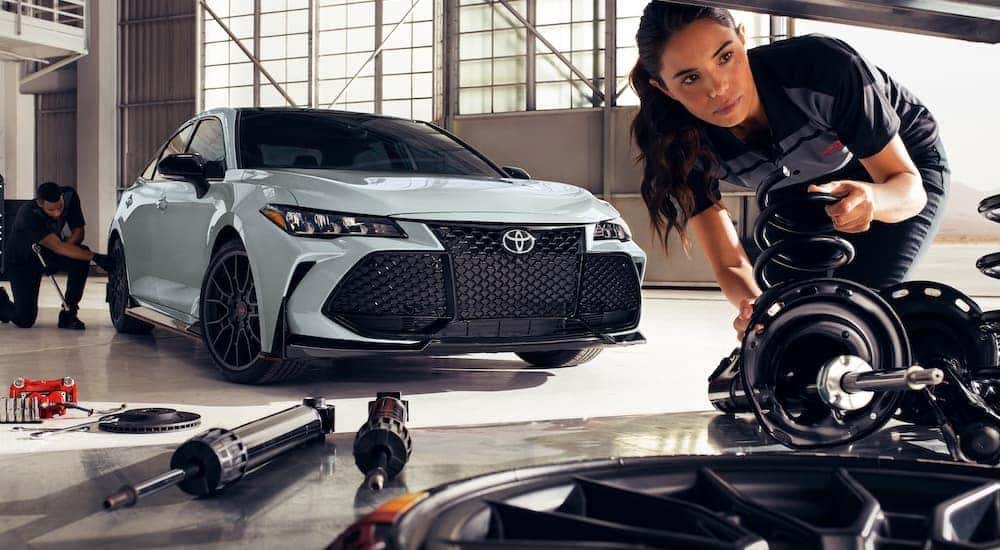
We all know we need to take care of our vehicles, but actually doing it is often something we put off as long as possible and do, begrudgingly, mostly when things go wrong. While it’s easy to get into that kind of routine, it’s a pretty surefire way to not only miss small issues until they become much bigger problems but also end up paying a lot more for major fixes in the long run. Whether you just need a routine oil change or more extensive full auto service, knowing what your car needs and when is the key to properly caring for your vehicle.
Today, we’re going to go over some of the more common questions that our customers often have about different types of car service. Just remember that nothing overrides the guidelines and schedule from your vehicle’s manufacturer, so follow that whenever possible. It’s also a good rule to remember that taking care of a small problem right away is almost always best and will help you avoid a much bigger issue down the road. Give us a call or come visit us to get answers to your questions and make sure your car is well cared for.
What Are Some Common Types of Auto Service?
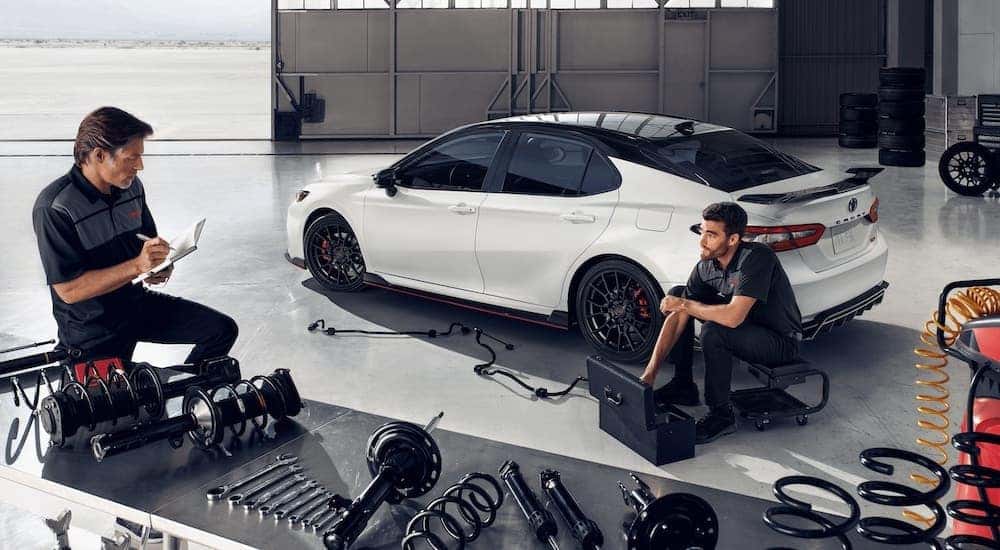
When you go in for auto service, it can help to have a good sense of what’s available so that you know what you need and what you don’t. Some common types of car service include:
- Oil Service/Change – This type of service can be very simple or more elaborate, depending on what your vehicle needs. It can range from checking and topping up your oil to fully draining and replacing your oil and your oil filter.
- Lube Service – There are a lot of other fluids in your vehicle besides your motor oil, and lube service checks and replaces them. Depending on what your vehicle needs, this can include your brake fluid, transmission fluid, coolant, and more.
- Wheel Alignment – Over time, through regular daily driving, your wheels will typically become offset slightly and no longer aligned properly. A wheel alignment resets your wheels so that your vehicle will naturally drive straight.
- Tire Repair – If one of your tires has been damaged, then you can often have it repaired to avoid a dangerous blowout. Severe damage might require replacement instead, but repairs for minor damage are often possible and inexpensive.
- Tire Rotation – As you drive, you typically wear down your tires a bit unevenly based on where they are on your vehicle. By occasionally having your tires rotated – moved to different wheels – you can even out this wear and help them last longer.
- Tire Replacement – No matter how carefully you drive, eventually, you’ll need to completely replace the tires on your vehicle. As your tread wears down, it becomes increasingly important to replace your tires to ensure good traction.
- Brake Service – This can be pretty simple and involve having your brakes checked to ensure they’re in good shape. More extensive brake service may be necessary when your brake pads wear out and need to be replaced to ensure your vehicle can stop properly.
- Belt and Hose Service – There are a number of different belts and hoses that are part of your vehicle’s engine and drivetrain. It’s important to have these inspected regularly and replaced when they’re damaged or becoming worn out through daily use.
- Muffler and Exhaust Service – If your vehicle sounds louder than usual, or is emitting more exhaust, then your muffler or exhaust system might need work. Sometimes simple repairs are all you need; other times, more thorough replacements may be necessary.
- Engine Tune-Up – Over time, parts of your engine will wear out or no longer run exactly how they were meant to. A tune-up for your engine can replace worn-out parts and make adjustments to ensure everything is working exactly how it should.
Of course, there are other types of services and repairs that can be needed due to the complex nature of modern automobiles. These are just some of the most common ones, and you’ll see these services offered by a wide range of shops. Sometimes you need more thorough work done than just one of these, however, which is when full auto service is best.
What is Full Auto Service?
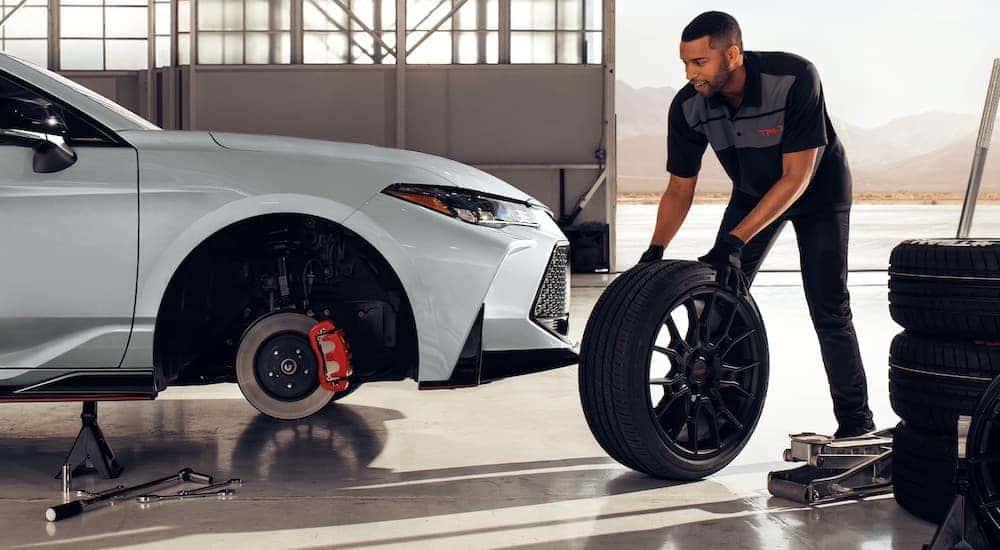
While there are lots of specialized types of auto service that address specific parts of your vehicle, full auto service is usually intended as comprehensive inspections and repairs. For example, a full service might include an oil change, wheel alignment, tire rotation, brake inspection, and more. This can certainly take longer than something simple like changing your car’s battery, but sometimes it is needed to make sure everything still looks good on your vehicle. This type of service can also be more affordable than each individual type of service added together since it’s easier for multiple things to be done at once while your car is lifted, rather than repeatedly getting to various components over the course of a year or so.
How Often Do I Need Car Service?
This is an excellent question; unfortunately, it’s not one we can easily answer in this kind of format. The reality is that there really isn’t a simple answer to this, and it entirely depends upon your vehicle, how many miles are on it, and how you drive. Fortunately, however, there is a pretty simple way for you to get an answer: check your owner’s manual.
The owner’s manual from your vehicle’s manufacturer will have pretty clear guidelines for how often you should get different types of service based on your vehicle’s mileage. In general, the older your car gets, the more often it will need extensive full auto service to ensure everything is still in great shape. If you do not have a manual for your vehicle, then you may be able to look up the information you need with the manufacturer or purchase a new manual for your car.
You might notice two different sets of schedules for maintenance based on your particular operating conditions. If you tend to be hard on your car by driving mostly short trips, dealing with a lot of stop-and-go traffic every day, or doing a lot of towing, then you’ll need service more often than someone that’s easier on the same type of car. Sometimes your car will also tell you when it needs some kind of service, particularly if a vehicle warning light comes on.
What Does This Light Mean?
Speaking of warning lights, this is one of the most common questions we’re asked: a customer will show us a warning light on their dash and ask what it means. The answer depends on the light, and explaining all of them would take a while. Fortunately, you can look up the meanings of these lights in your owner’s manual to see what each one indicates and how serious it is.
No matter what light comes on, however, you shouldn’t ignore it. The warning might not be about something immediately catastrophic, but a lot of minor issues can become much more serious if you ignore them. Those warning lights exist for a reason, and they’re telling you that something is wrong, so take action right away. This will keep your vehicle in great shape and help you avoid much more extensive and expensive repairs down the line.

0 comment(s) so far on What Kind of Service Does Your Car Need?