

The Importance of Routine Brake Service for Your Toyota
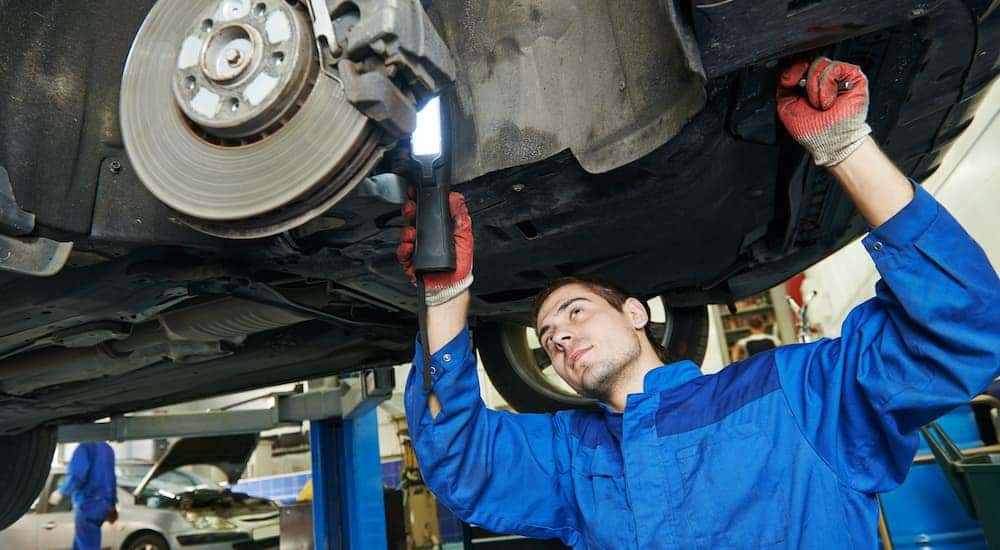
Vehicle ownership carries with it a great deal of responsibility. A significant part of that responsibility is adhering to the necessity of routine maintenance that every vehicle needs to stay on the road and run with peak efficiency. Similar to your yearly physical and bi-annual dental visit, having your vehicle serviced at specific intervals is essential to its vitality. Of all these required services, one of the most rudimentary is your vehicle’s braking system. You might not think of them that often and only decide there’s an issue at hand when you hear your brakes begin to squeak, but a lot is required to ensure your brakes function correctly and effectively. If you drive a Toyota, there’s a strong chance that you chose the brand because of its reputation for reliability and its ability to last for several years and miles. Toyota brake service is an integral part of this longevity. And bringing your vehicle to a Toyota dealership such as Romeoville Toyota is the first step to ensure that they work properly and continue to do so.
How Brakes in Your Toyota Work
On any given day, your foot comes in contact with your brake pedal several times. Your brakes allow you to slow down, back up, and come to a complete stop when the situation warrants it. But how exactly do they function? What happens in between the time you place your foot on the pedal and your car ceases its forward momentum?
When you press down on the brake pedal, braking fluid housed in a reservoir pushes itself through a series of lines to a caliper device. This creates hydraulic pressure within the caliper and forces a piston to extend. The inner brake pads then come into contact with the piston and apply pressure to the wheels and both sides of the brake rotor. This creates friction, which in turn allows your vehicle to come to a complete stop.
As you can see, your Toyota’s brakes are a complex conglomeration of various machines working together in unison to allow your car to slow down and stop. Brakes also save lives and allow you to avoid collisions. By understanding the various parts and their functions, you can better understand why having your brakes serviced is an integral part of keeping your Toyota on the road.
Inspection for Your Protection
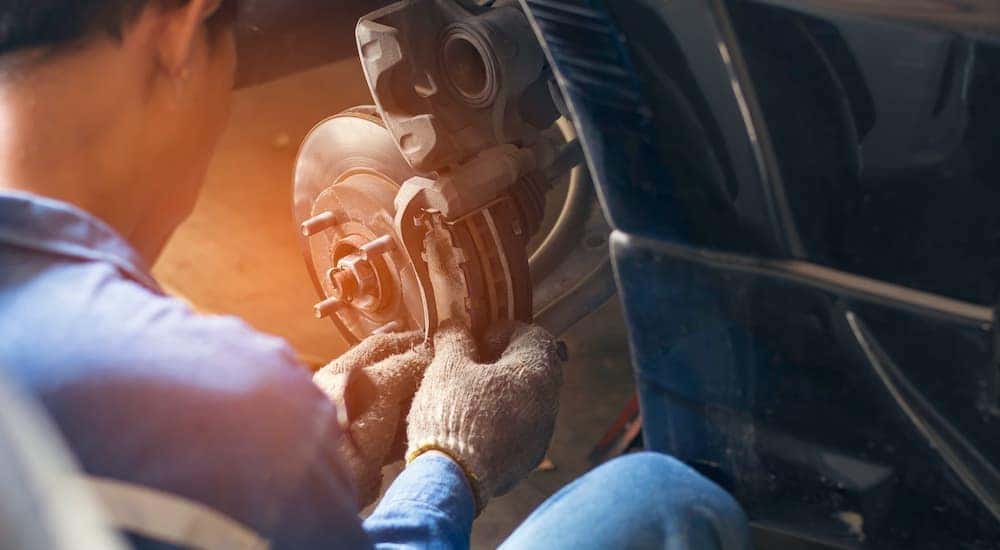
Similar to the preventive measure you take in getting your teeth cleaned, the general rule of thumb is to have your brakes inspected every six months. However, the number of times you get your brakes inspected also determines how often you drive and your habits behind the wheel. If you don’t drive that often and are a conscious driver, you should stick to your brake inspections at six-month intervals. If you drive quite often, such as for work, or have an aggressive driving style, every three to four months is recommended.
A brake inspection thoroughly examines the entire braking system to ensure it’s working correctly. Here’s a step-by-step breakdown of what usually happens during an inspection, though some locations might implement a different practice. At Romeoville Toyota, we make sure to check your car for every possible brake problem so that you know your brakes will work when you need them.
Usually, a technician will test drive your vehicle to diagnose any problems that might occur. While you might not notice anything wrong, a technician is trained to spot anything out of the ordinary immediately.
Once a test drive is completed, looking at all four tires will indicate if your brakes are causing significant damage while you’re on the road.
- A technician may also examine your vehicle’s suspension system. If you’re having difficulty keeping your vehicle driving in a straight line, it could possibly be the brakes or the suspension that aren’t functioning properly.
- If your brake fluid can’t be delivered via the brake lines, this could be a significant problem. A ruptured line warrants an immediate replacement.
- Next, the calipers will be looked over to ensure they’re not leaking and still working properly. These are what engage the brake pads, and without them, you run the risk of an accident.
- The master cylinder is next to be thoroughly looked over. Because this is what pushes the brake fluid through the lines to the calipers, it’s important that there aren’t any substantial leaks. If not taken care of immediately, a leak in the master cylinder can lead to more significant problems in the future.
- The drums and rotors are looked over to see if there is any uneven wear. Similar to your car’s tires, uneven amounts of wear can signify another problem. An uneven rotor can wear down the brake pad much quicker than usual or unevenly. Usually, low-quality rotors are to blame for this occurrence.
- The brake pads are looked at and replaced if necessary. This is usually the most common item of brake servicing. Most drivers can diagnose a brake pad issue if they hear a squeak when they apply pressure to the brakes.
- The technician will also check the brake fluid and flush if necessary. All cars generate heat when they operate and depending upon the geographic location in which you live, rising temperatures can affect the fluid. This is why servicing your brakes twice a year is strongly recommended.
The Advantages of Only Using OEM Parts
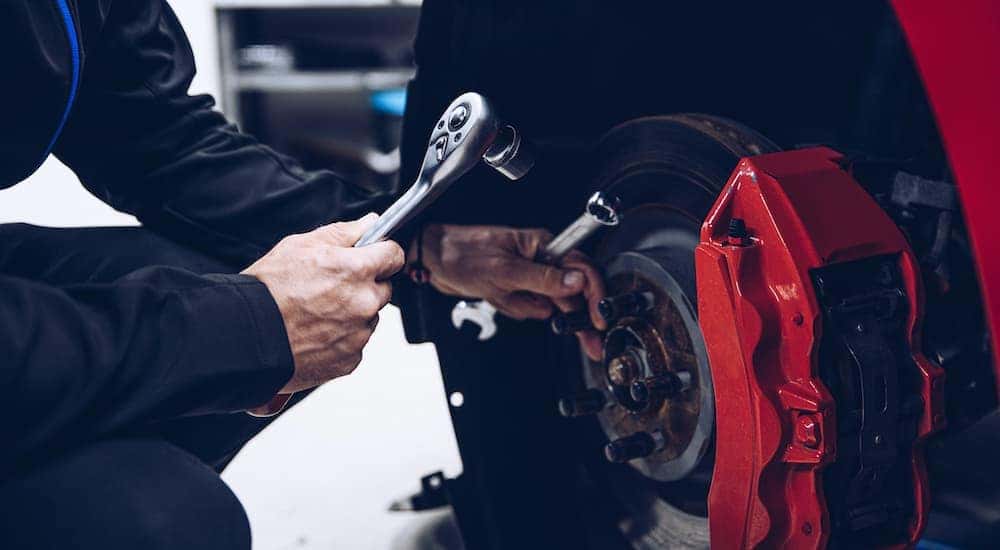
If you find out that there are some repairs to your Toyota’s braking system that have to be performed, you might feel the urge to save some money in the form of aftermarket parts. Despite the advantages of saving a little on the cost, you might find yourself paying more in the long run.
Every automobile manufacturer is different. And as such, the manufacturer designs the necessary parts to make each one with that specific model. Toyota makes these parts, called OEM (Original Equipment Manufacturer) for the vehicles in its fleet. More often than not, they come with a factory guarantee. Only using OEM parts in your Toyota can also help retain its resale value, just in case you ever wanted to sell. Aftermarket parts are less expensive, but this means they’re of lower quality and can adversely affect your braking system. There are a lot of costly repair bills due to someone making this choice to save a few extra dollars.
Invest in Safe and Reliable Brakes
You’ve heard people say that purchasing a vehicle is investing. And it’s very true. While Toyota has a reputation for its vehicles sustaining themselves for lengthy periods, they won’t do it all by themselves. Routine service at regular intervals is how you recoup a sizable return on your investment. If you think there might be a problem with your braking system, don’t neglect it. Take your vehicle to a Toyota dealership such as Romeoville Toyota. Just because you think it’s an issue with the brakes doesn’t necessarily mean that it is. It could be a symptom of a much larger problem that immediately needs attention. A technician can properly diagnose the problem and advise you on the best course of action to correct it. The road ahead is unpredictable. Having peace of mind in knowing your Toyota is functioning correctly will make all the difference.

0 comment(s) so far on The Importance of Routine Brake Service for Your Toyota