

Keeping Your Toyota Moving in the Winter
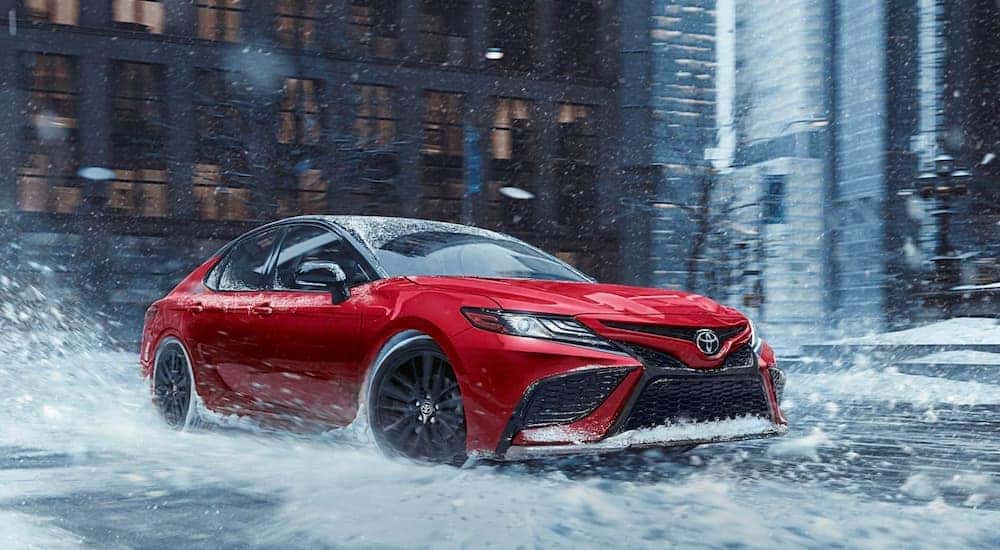
Here in the Chicagoland area, we have a brutal understanding of what winter can be like. Temperatures drop, and things freeze quickly. Though living so close to Lake Michigan is wonderful most of the year, the impact the waterfront has on winter weather can be chaotic at best. Your friendly Romeoville Toyota Service Center employees would like to take a moment to help prepare your Toyota for the cold weather. Winter driving can mean many things, from slippery roads and limited visibility to bitter cold that can compromise the fluids and components in your car. Take a look at what you can do to make sure your Toyota is ready to go the distance with you, even when the weather turns gloomy and frosty.
Where the Rubber Hits the Road
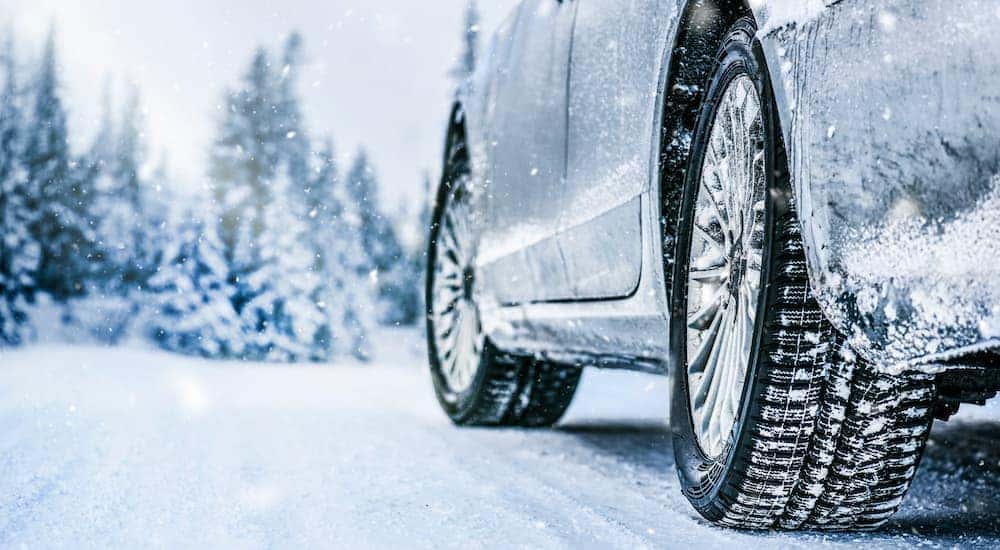
Let’s start with one of the most-mentioned winter driving concerns—sliding. Granted, there’s only so much anyone can do to prevent the laws of physics from happening. Road crews can only help ice melt so quickly, and invisible slick patches can appear anywhere, so it’s a good idea to prepare for cold weather driving before you find yourself in whatever the opposite of hot water is. Driving a Toyota with all-wheel drive is a great first step towards gaining more peace of mind in slippery conditions. From the Camry to the bZ4X, an impressive number of Toyota vehicles are available with all-wheel drive. Many models, including the RAV4, Tundra, and Tacoma, include off-road ready drive modes that can tackle sloppy conditions, as well.
Even so, you don’t have to have AWD technology to brave an Illinois winter. There are plenty of tires designed to help drivers navigate slick surfaces, including features like deeper treads and winter tire options.
It’s also very important to keep an eye on your tire pressure. As the outside temperatures get colder, you may notice your tires starting to deflate. Despite rumors that deflated tires can keep you safer on slippery roads, keeping your tire pressure below Toyota’s recommendations can actually be more dangerous. You may wish to consider bringing your car to the Romeoville Toyota Service Center before winter weather arrives. Our service professionals will be happy to discuss driving conditions with you and give you their recommendations for different types of tires that can help you stay on the road.
And, while a belt technically doesn’t touch the road, caring for the rubber in your car can also refer to the belt. If you drive an older Toyota that has rubber belts as part of its mechanism, it’s always a good idea to keep an eye on them in winter to ensure they don’t crack or freeze
Keeping an Eye on the Road
Another concern of winter driving is visibility. The first thing that likely comes to mind is white-out snow conditions. Flakes coming down so hard and fast that you can’t see the road is definitely a problem, but there can be many things keeping you from seeing the road in wintertime. Luckily, most of these can be easily corrected.
The first thing to consider is your windshield wipers. In order to work properly, the flexible edge of the wiper needs to conform tightly to your windshield. If you have the wrong wiper blades or a pair of wiper blades that have become damaged, it’s likely that you’ll still find patches of snow or frost on your car, even when your wipers have been going at high speed. Over time, wiper blades can become dull or torn, so it’s a good idea to replace them before heavy snow arrives.
You’ll also want to keep your windshield wiper fluid fully stocked for the sand, brine, and gritty snow that can splash onto your windshield. Some wiper fluids have ice-melting properties, while other fluids can freeze in the fluid bay, preventing you from using the washing feature as intended. Make sure you know how to replace your fluid and pay close attention to the recommended temperatures on your wiper fluid before filling the wiper fluid bays.
Freezing Is Not Good!
Your Toyota operates thanks to a variety of fluids. Unfortunately, cold weather and fluids are not often friends. You may be surprised to learn that even coolant—also known as antifreeze—can actually freeze!
As the temperatures drop, oil gets thicker. For the most part, this isn’t a problem for vehicles that are being driven regularly. However, when the freeze settles in and temperatures drop below zero, it is possible for some motor oils to nearly solidify, especially if you have a vehicle that spends most of its time outdoors or parked. As a result, your engine can’t stay adequately lubricated. Our service center experts would be happy to discuss low-viscosity and synthetic oil options that can handle the cold.
Staying on top of your regular maintenance—including recommended oil changes and inspections—can help prevent freezing problems under the hood. Keep an eye on fluid levels year-round to keep your car driving at its best, but especially when serious cold weather strikes.
Power Source Problems
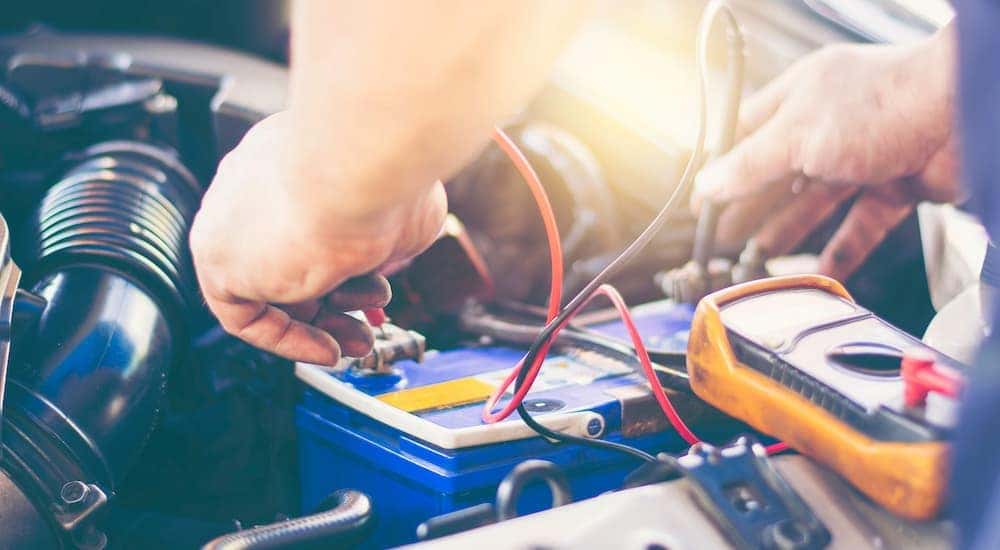
Batteries and cold weather don’t mix. Unfortunately, batteries are a very important part of keeping a vehicle running.
The best way to avoid using the jumper cables too often this winter is to make sure your battery is in good shape before it gets too cold. You can inspect your battery for signs of age, corrosion, or loose connections at home. However, if you suspect your battery might be reaching the end of its life span, stop by our service center to have it tested—and replaced, if necessary—before you find yourself stuck out in the cold.
If you’re an EV or hybrid driver, you may be curious about your vehicle’s performance in cold weather. Generally speaking, it’s recommended to let your electric vehicle or hybrid vehicle warm up a bit before driving to allow the motors to get the battery charge flowing. You may also find that the range of your vehicle’s battery charge drops slightly in the winter. This is also normal, so stay on top of your charging habits and don’t skip a routine plug-in.
We’re Committed to Keeping You on the Road
If you are currently performing regular maintenance on your vehicle to check all fluids, functions, and features of your Toyota, you are well-positioned to get through the winter in good shape. Regularly flushing fluids and changing out worn parts such as brakes, lines, chains, and belts can ensure that your Toyota can always perform at peak efficiency. When cold weather strikes, we encourage you to stop by the Romeoville Toyota Service Center to ask any questions you might have about getting your vehicle ready to handle the roads. From helping you make sure your tires are ready to roll to checking fluids and battery power, we’re here to keep our Toyota drivers on the road every day of the year.
While the best way to avoid the perils of driving in wintertime is to avoid driving at all, we know that’s not practical for most people. Instead, as your Toyota experts, we welcome your questions and invite you to stop in to learn more about how you can keep your vehicle in the best shape possible for winter.

0 comment(s) so far on Keeping Your Toyota Moving in the Winter