

How to Check Your Transmission Fluid and Why It’s Important to Your Vehicle
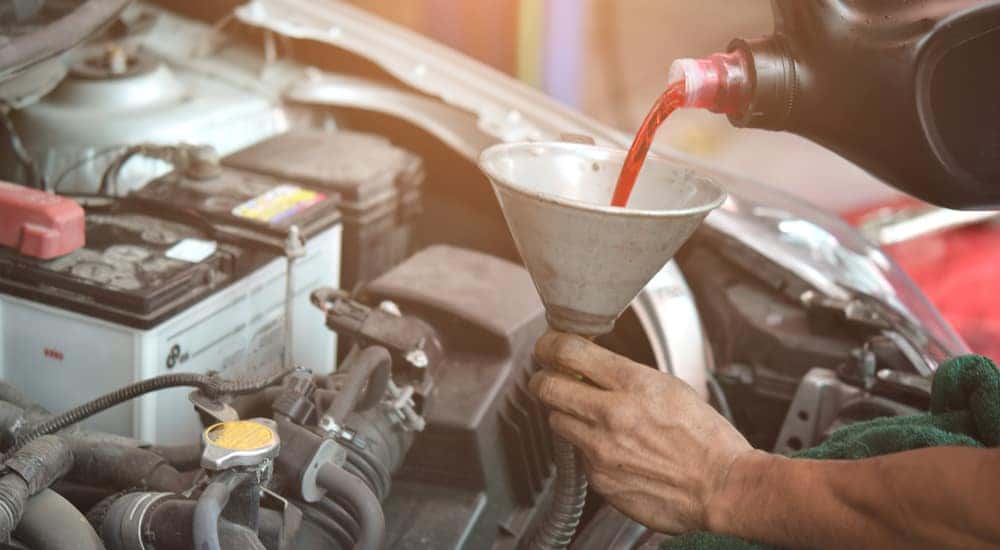
Transmission fluid is an integral part of a vehicle’s operation. It essentially works as the lifeblood of the transmission system and plays a vital role in how the engine, transmission, and driveline work together to propel your vehicle forward (or backwards). If you’ve been wondering about the necessary maintenance required to keep your transmission in top condition, part of that involves keeping your transmission fluid clean so that you can keep the transmission running at its best.
A healthy transmission requires changing the fluid at regular intervals. However, how do you know when you should opt for a transmission fluid change or simply check the health of the transmission fluid? Well, the type of vehicle you own will dictate how often you need to check the transmission fluid, as well as how often you drive it and your driving habits. Before getting into how you check it and what you should be checking for, let’s first discuss what the transmission fluid actually does.
What Is Transmission Fluid and What Does It Do?
Some drivers think it’s transmission oil; others believe it’s hydraulic fluid, and some think it’s transmission coolant. The reality is that it works as all of these things, tying together the complex ecosystem of the transmission’s functionality by keeping it running efficiently, relatively cool, and maintaining its functionality. It lubricates the gears inside the housing while also pulling double duty by working as a hydraulic fluid to transfer power from the engine to the transmission and from the transmission to the driveline. You can basically think of the fluid as being the liquid that pumps through the veins of the transmission and all of its vital operations.
So, now that you understand the importance of the transmission fluid, you might be curious as to when you should consider a transmission fluid change for your vehicle. Well, that all depends on several factors, but before you can think about changing the fluid, you first have to understand how to check your fluid. You also need to be aware of what signs indicate it’s time to get your transmission fluid changed.
How to Check Your Transmission Fluid Levels
If you’re checking the transmission fluid, it’s important to take several precautions first and have the right tools for the job. Now, some newer vehicles have a transmission fluid cap but do not enable you to manually check the transmission without third-party tools; in that case, you will need to bring the vehicle to our service center. Alternatively, if the vehicle does have a transmission cap with a dipstick, you can manually check the transmission fluid yourself.
You’ll likely want gloves, a rag, and a pair of safety glasses, just in case. After all, you wouldn’t want any fluid to get into your eyes. It’s a good idea to run the engine for a few minutes while it’s in park and get the transmission fluid flowing. This is important for understanding what the potential grade of the transmission fluid is in your vehicle and how the transmission is currently operating.
After running the engine for a few minutes, you can shut it off, pop the hood, and then look for a brightly-colored handle inside the engine bay. Typically, the owner’s manual will explain both how to pop the hood and the color of the transmission fluid dipstick. Typically, the handles are bright yellow, light orange, or a similar variant of the color. It usually looks very similar to the dipstick for checking the engine oil.
One way of determining the difference between the engine oil dipstick and the transmission fluid dipstick is usually its positioning. Oftentimes, the transmission fluid dipstick will be slightly lower or closer to the transmission than the engine oil dipstick. Make sure you remove it and wipe it clean with the rag. Place it back into the housing and then remove it again to check the fluid levels and the color of the fluid. This will give you an idea as to how much fluid is left. There should be marks on the lower end of the dipstick to indicate the fluid levels and whether they are at the appropriate levels.

Is It Time to Get Your Transmission Fluid Changed?
The most obvious indicator that it’s time to get a tune-up or schedule to have the transmission fluid changed is via the dashboard indicator. Most modern vehicles have either a head-up display or a digital driver instrument cluster that will give you warning indicators about any potential problems with your transmission. This includes a warning light indicating that your transmission fluid may need to be changed. Additionally, if you periodically check the fluid, you will be able to tell if it’s time to change it.
Once you check the fluid on the dipstick, you’ll be able to use the dipstick indicator – usually with several notches or symbols on it – that indicate high, medium, and low levels of transmission fluid. If the fluid on the dipstick is at the bottom notch, it means it’s time to get the fluid refilled or changed. If the fluid on the dipstick falls below the halfway mark of the notches on the dipstick, then it means that the transmission fluid is starting to get low, and it is likely time to get it topped off.
Obviously, if the fluid is at the top-level indicator on the dipstick, then it means that you have a full tank of transmission fluid. However, there are circumstances where the transmission fluid is topped off, but you still may need to get it changed. There are cases where this happens, and usually, there are indications in the form of different transmission fluid colors.
What You Need to Look for Regarding Transmission Fluid Colors
One of the best ways to understand what your transmission needs is based on the color. Different transmission fluids can come in slightly different colors, but typically, fresh transmission fluid is mostly clear and red. Over time, the transmission fluid color will change. The change comes from basic and frequent use of the vehicle. This will eventually result in the transmission fluid collecting particulate matter, which can then alter the color, making the transmission fluid darker than usual and more translucent. This typically occurs between the 15,000 and 30,000 mark. The slightly darker color doesn’t necessarily mean that the transmission fluid needs immediate changing, but it does indicate that it’s becoming more polluted with use.
Now, if you do a transmission fluid check and find that the color of the fluid has become very dark or black or smells burnt, then it’s obviously a sign that the fluid has run its course. This is either because the transmission fluid is no longer lubricating the transmission and the gears as necessary or because the transmission is getting really hot while doing the work, and the fluid isn’t doing its job in effectively cooling down the parts and is burning in the process. As a result, an overheating transmission can result in the transmission fluid burning up, thus making it less effective at its job. You’ll note that if the discoloration is darker than usual or completely black, then it indicates that the fluid is old or burned out.
Getting Your Transmission Serviced
Now that you understand what the transmission fluid is, how to check your transmission fluid, and what to look for when it comes to wear and tear, you have a good understanding of what sort of maintenance care is needed to keep your vehicle running correctly. If you’re interested in getting your vehicle serviced for transmission purposes, we can handle this at Romeoville Toyota. If you have any questions about a transmission fluid change for your car, truck, or SUV, definitely reach out to us, and we can help answer any questions you might have to help keep you moving forward safely and effectively.

0 comment(s) so far on How to Check Your Transmission Fluid and Why It’s Important to Your Vehicle