

Face Winter in Romeoville with Confidence: Your Guide to Winter Tires
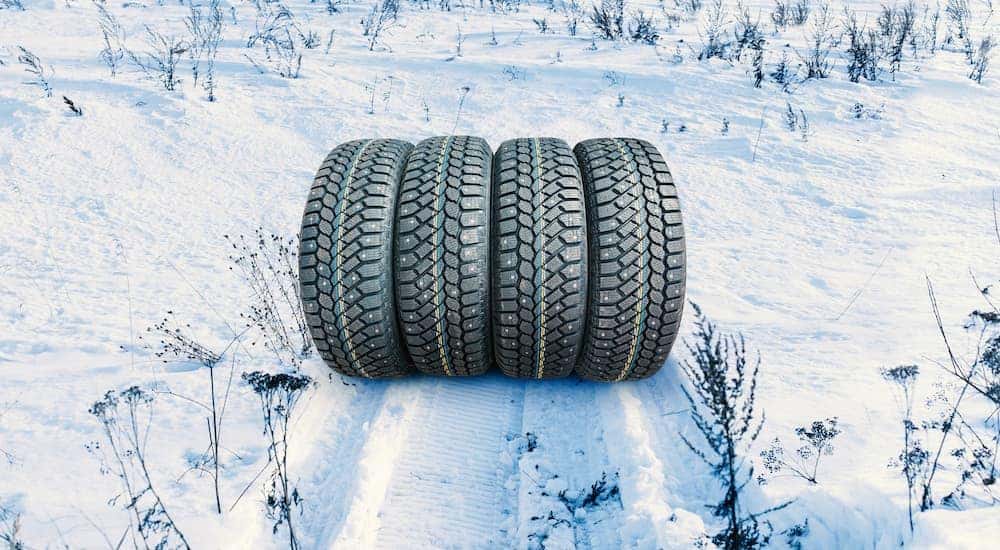
Do you know the average snowfall in the United States is 28 inches each year? Here in Romeoville, we’re above average in everything we do, and that includes our winters, as we average around 30 inches of annual snowfall. These freezing, snowy, and windy winters are why so many of our customers discover that their search for winter tires near me begins and ends right here at Romeoville Toyota, your tire authority.
Our location southwest of the bustling metropolis of Chicago makes us a haven for winter weather, which means it’s even more important for drivers to prepare their vehicles for our frigid winters. That preparation starts right here with our guide to winter tires. We’ll explain why they’re important, how they work, and how to find the perfect set of winter tires to ensure a safe winter in Romeoville and beyond.
How and Why They Work
Not all tires are made equal. All-season tires are designed to withstand moderate climates and perform well on paved roadways, while off-road tires are better suited for the trail because of their aggressive treads. You’ll find performance-focused tires on many sports cars where speed and handling take priority over efficiency. These differences may seem minor to someone who doesn’t put a lot of thought into their tires, but what tires you use plays a huge role in your vehicle’s performance and your overall safety.
Rubber Compound
What is it about winter tires that makes them vital for Romeoville drivers? Unlike other tires, winter tires are designed to perform in cold temperatures, which is also why you have to remove your winter tires when the temperatures rise in the spring and summer. Winter tires are made of a unique rubber compound that often includes silica, which keeps the rubber from hardening in freezing temperatures. By keeping the rubber flexible, the tires maintain their grip on the road.
Tread Design and Depth
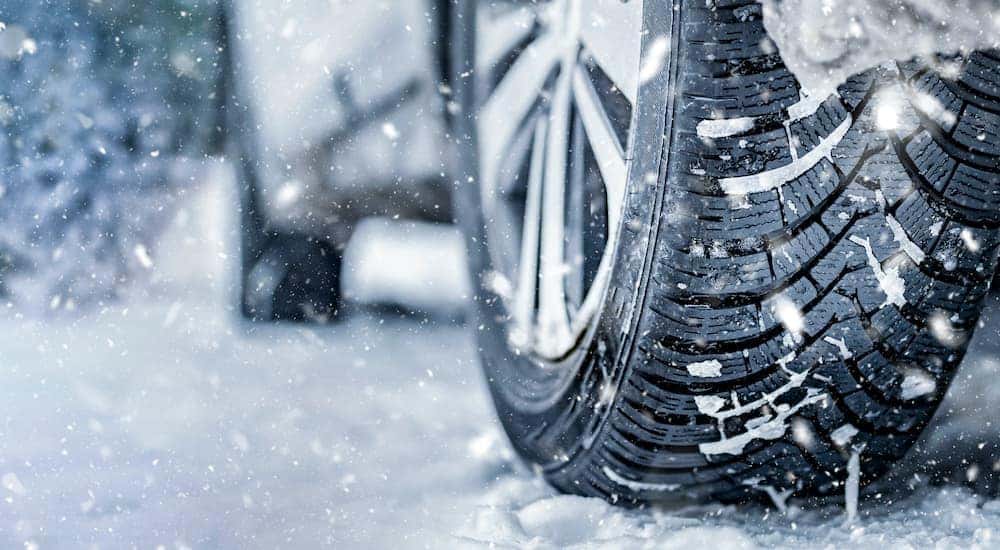
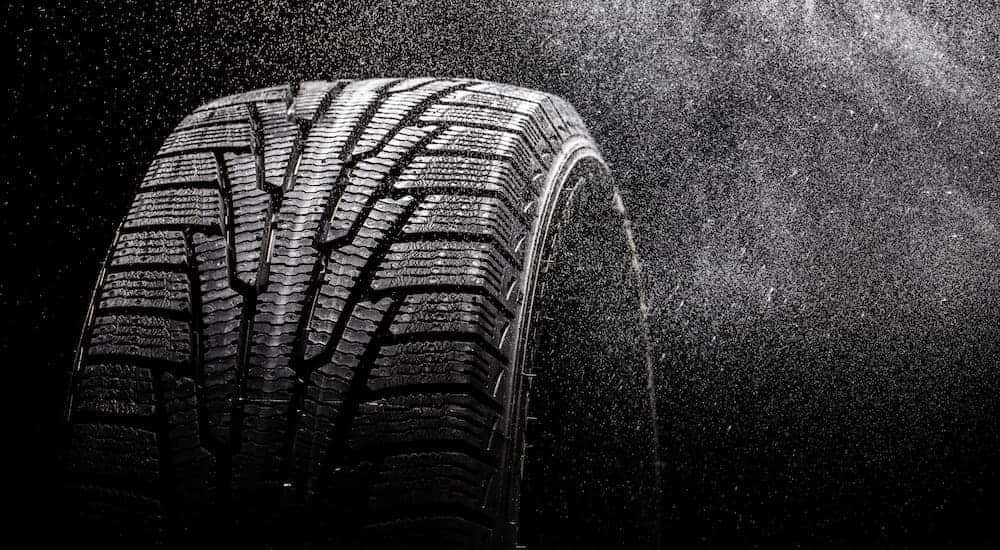
Along with their unique rubber compound, winter tires are also noticeably different from other tires. They have a deeper tread and a unique tread pattern with more grooves and special cuts, known as sipes. The deeper tread, sipes, and sharper biting edges allow the tires to channel snow and water away from the tire to create a better grip on the road. This improves traction in snowy or icy conditions and can mean the difference between accelerating from a stop with confidence or spinning out and losing control.
How to Choose Winter Tires
Your tires are your vehicle’s only point of contact with the road. They’re vital to your safety, especially in winter conditions where snow, ice, and slush minimize traction. Fortunately, choosing the right winter tires for your vehicle isn’t hard and comes down to knowing how to read your tire and how to get to Romeoville Toyota and our service center.
Reading Your Tire
While our certified service technicians are here to help you find the perfect winter tire for your vehicle, we also know that many of our customers like to shop around first and learn more about their options. To do this, start by looking at your current tires to determine the size. Each tire is printed with a unique code that tells you all the information you need. We’ll use P225/70R16 91 S as an example.
- P stands for P-Metric, and 225 tells you the width of your tire in millimeters.
- 70 is the tire’s aspect ratio or how tall the tire stands in relation to its width. In this example, the tire’s height is 70 percent of its width.
- R designates the construction of the tire as Radial, which is the most common.
- 16 tells you the diameter of the wheel in inches.
- 91 indicates the load index, which ranges from 1 to 150, with each number indicating the specific weight that each tire can carry. For example, the 91 means the tire can support 1356 pounds, not 91 pounds.
- S tells you the speed rating of the tire. For example, S tires are rated for up to 112 mph.
You may find that your current tires have an M+S stamped on the sidewall with the code. This mark, which stands for “mud and snow,” is common on all-season tires, but they are not a replacement for real winter tires. A true winter tire will have the “three-peak mountain snowflake” emblem. Unlike the M+S marking, which is based purely on tread design, tires must pass specific winter testing to earn this higher rating.
Shopping for Winter Tires
Once you know how to read your tire, you know where to start your search for the best winter tires for your vehicle. When you venture online, you’ll find dozens of options from leading tire manufacturers like Michelin, Bridgestone, and Continental. As you do your research, look at how the tires are made, their tread patterns, and their biting edges. Dive even deeper into your search by looking for reviews on how they perform in both dry and wet winter conditions.
Throughout your search, know that the Romeoville Toyota team is always here to answer your questions and help you narrow down your choices. As veterans in the industry and lifelong Romeoville residents, we know a lot about tires and even more about our winters. You can put your trust in us to help you find the best winter tires that will keep you safe throughout the winter months.
Winter Tire Tips and Care
Tires aren’t cheap, and that makes them a significant investment for anyone, but it’s a worthwhile investment. Because of this, it’s important to properly care for your winter tires after you’ve swapped them with a set of all-season or summer tires that will get you through the spring, summer, and fall. That care starts by storing your winter tires in a location that’s cool and dry, like your basement or garage. You can even wrap the tires in black storage bags to keep the rubber from drying out or cracking, both of which are detrimental.
Another important way to care for your winter tires is knowing when to put them on and when to take them off. As we mentioned, winter tires aren’t designed to perform in warmer temperatures, which means it’s important to watch the weather forecast. You’ll want to remove them when the outside temperature is consistently above 45 degrees Fahrenheit.
Your Winter Tire Authority
We’re invested in your safety on the road, and that starts by helping you find the best winter tires for your vehicle. As you can see, tires are designed to serve a variety of purposes. Some tires perform better at high speeds, while others are designed to navigate dirt roads and rocky terrain with ease. Winter tires work best in frigid temperatures because of their unique rubber composition, tread depth, and design.
As we tell all of our customers, your safety on the road starts with routine tire maintenance. Our winters here in Romeoville deliver above-average snowfall and more rainy days than the national average. This sets the stage for wet and windy conditions with biting temperatures that can challenge any vehicle’s capability. Winter tires will give you the confidence you need to navigate our winters and get back to the family, friends, and loved ones waiting for you at home.

0 comment(s) so far on Face Winter in Romeoville with Confidence: Your Guide to Winter Tires