

6 Common Car Maintenance Questions Answered

One of your many responsibilities as a car owner is overseeing your vehicle’s routine maintenance and repair needs with the support of a trustworthy and reputable service center near you. Whether you spent $5,000 or $50,000 on your car, truck, or SUV, it’s an investment that deserves protecting. Otherwise, it’s like throwing money away. Where does vehicle maintenance begin? It starts by ensuring you have regular oil changes every year.
Oil changes are essential to optimizing your vehicle’s performance and extending its longevity. When you visit Romeoville Toyota, you can combine routine oil changes with several other services, like a tire rotation and multipoint inspection. This all-inclusive package gives you vital information about your vehicle, helps extend the life of your tires, and ensures your engine has high-quality oil to clean, lubricate, and cool its many moving parts.
Beyond oil changes, there are plenty of other services you’ll want to be aware of as you oversee your vehicle’s maintenance and repair needs. What are they? As a full-service automotive center, Romeoville Toyota is here to answer that question by tackling six of our most frequently asked vehicle maintenance questions. Let’s get started!
#1 – How Many Oil Changes Should You Get in a Year?
You should change the oil in your vehicle once a year, at the minimum. However, how often you’ll need an oil change depends on your car, driving style, and local driving conditions. For example, if you spend a lot of time towing heavy loads or driving in dusty environments, you’ll need more frequent oil changes because the engine works harder or is more readily exposed to dirt and debris.
While there are many rules of thumb for how often you should get an oil change, the best maintenance schedule for your vehicle is outlined in your owner’s manual. The manufacturer’s recommendations are always where our service department will begin when creating a maintenance plan specifically for you and your vehicle. Between the manufacturer’s recommendation and our expertise, we’ll develop the best maintenance schedule to extend the life of your engine and optimize its performance.
#2 – Why Are Routine Oil Changes Important?
Your engine looks like one giant piece of equipment under the hood, but it’s composed of many moving parts, including pistons, valves, and connecting rods, that create the power needed to propel your vehicle. As these parts work together, they move against one another and generate extreme heat. The oil in your engine lubricates those parts, so they don’t have to work as hard, preventing them from overheating. At the same time, the oil picks up dirt and debris, which are detrimental to the engine and can lead to corrosion.
The more time you spend behind the wheel, the more the oil works to clean, cool, and lubricate. When towing heavy loads, the engine works harder and uses more oil. Alternatively, driving in dusty conditions causes the engine to pick up more dirt and debris, eventually turning it into sludge. In either instance, routine oil changes are vital to replenishing the oil in your vehicle so that the engine works efficiently and performs its best.
#3 – What’s the Difference Between a Tire Rotation, Balancing, and an Alignment?
Most routine oil changes include a tire rotation, a relatively simple process where the technician will swap the front and rear tires. Rotating your tires extends their longevity by promoting even tread wear. You’ll also enjoy a smoother ride, improved fuel efficiency, and greater control over your vehicle.
Having your tires balanced and your wheels aligned are often done together, but they are distinctly different processes. Tire balancing remedies a weight imbalance in the wheel, which can cause harsh vibrations, rapid tire wear, and even suspension damage if left unresolved. Our technicians rely on a tire balancing machine to measure the imbalance in each wheel and install the right amount of weights to achieve the perfect balance.
A wheel alignment is a bit misleading because it actually involves adjusting your vehicle’s suspension. During an alignment, a technician measures and corrects the angle of the tires so that they make the best contact with the road. When your vehicle is misaligned, you may notice that it pulls to one side or your steering wheel is crooked despite your efforts to drive straight.
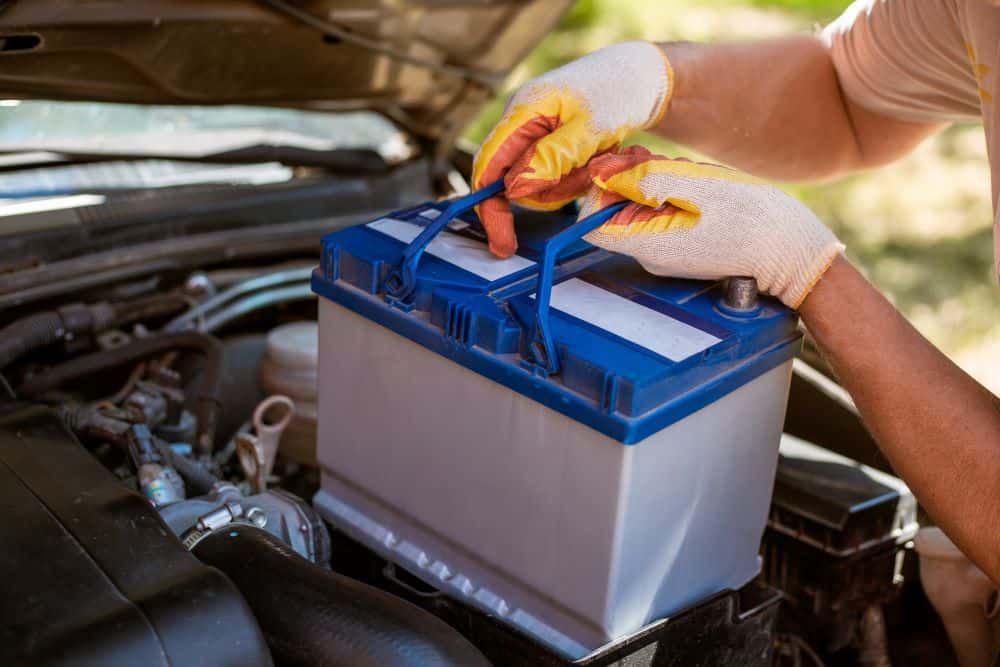
#4 – How Long Do Car Batteries Typically Last?
Generally, you can expect your car battery to last between three and five years, but the warning signs of battery failure may or may not be obvious. One day the battery may be working fine, but the next day you might find yourself stranded and looking for someone that will give you a jump. This is most common when temperatures drop suddenly, as batteries lose performance in cold weather.
However, while battery failure can occur suddenly, there are often warning signs. For example, you may notice your car is slow to start––a telltale sign the battery isn’t delivering adequate power. In other instances, the engine may not start at all, and all you hear is a clicking or buzzing sound. You can also rely on your sense of sight and smell to detect a failing battery by looking for leaks and signs of corrosion around the battery terminals or noting an odor that smells like rotten eggs.
#5 – How Will I Know When I Need New Tires?
The tires on your car, truck, or SUV are critical to your safety because they’re your vehicle’s only point of contact with the road. The lifespan of your tires depends on maintenance, your driving style, and the driving conditions. For example, if you skip routine tire rotations, you will experience uneven tread wear and shorten the life of your tires. This also puts you at greater risk since bald tires can lead to hazardous situations like hydroplaning.
Proactive tire maintenance, like tire rotations, alignments, and balancing, is the best way to extend the life of your tires. However, you can also take matters into your own hands by monitoring the pressure in your tires and conducting “the penny test” to measure tread. The penny test is straightforward and requires you to insert a penny into the tire tread with President Lincoln’s head upside down. If you can see his entire head, it’s time to replace your tires. If you’re unsure about the penny test, you can also look for tread wear indicators on your tires. When these bars in the tread grooves are even with the tire’s surface, it is time to buy new tires.
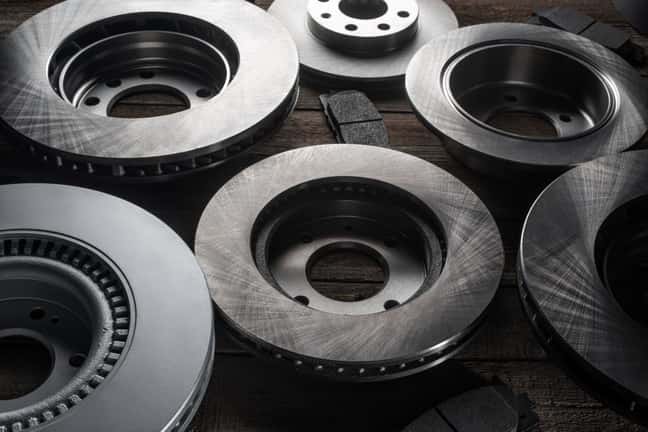
#6 – How Do I Know When My Brakes Need Servicing?
While your tires are essential to your safety, the brakes on your car are even more critical because they’re your stopping power. Routine services like an oil change typically come with a tire rotation and multipoint inspection, where the technician will thoroughly inspect the critical components of your vehicle, including the brakes. These inspections will alert you to any immediate issues or areas that need repair soon.
Even with a multipoint inspection, your brakes can have issues. For example, you may notice an indicator on the digital driver display telling you it’s time to have your brakes serviced. In other instances, your brake pedal may be soft, requiring you to fully press it to the floor to bring your car to a stop. You may also hear your brakes squeaking and grinding or feel a vibration in the brake pedal when bringing your car, truck, or SUV to a stop. These are all signs to visit our service center and have your brakes examined.

0 comment(s) so far on 6 Common Car Maintenance Questions Answered